The Role of Access in Selling Your Los Angeles Home: 5 Showing Strategies That Drive Offers
Learn how the level of buyer access you provide when selling your LA home directly impacts how quickly and efficiently it sells.
Free Download
How to Sell a Historic Los Angeles Home
A step-by-step guide covering pricing, marketing, preparation, and disclosure — written by John Barrentine with 33 years of LA experience.
Download Free Guide →Quick Answer
The Role of Access in Selling Your Los Angeles Home: 5 Showing Strategies That Drive Offers?
Learn how the level of buyer access you provide when selling your LA home directly impacts how quickly and efficiently it sells.
The Pandemic Changed Buyer Expectations — Now the Market Is Shifting Again
At the height of the pandemic buying frenzy, we saw something I'd never witnessed in over three decades of selling homes in Los Angeles: a surge of buyers putting offers on houses sight unseen. It happened for three converging reasons — extremely low housing inventory, fierce competition driven by historically low mortgage rates, and a general wariness around in-person home tours during a public health crisis.
Today, the market is shifting again. Buyers can be more selective. They're taking their time, exploring options, and they want to walk through a home before committing. That means sellers need to adapt, and one of the most powerful levers you have is something deceptively simple: access.
The Role of Access in Selling Your Los Angeles Home: 5 Showing Strategies That Drive Offers
Why Buyer Access Is One of the Most Underrated Selling Tools
In my 33 years working in Los Angeles real estate — from historic homes in Hancock Park to probate and trust properties across the Westside — I've seen one pattern repeat itself over and over. The homes that sell efficiently are the ones buyers can actually get into and experience. It sounds obvious, but you'd be surprised how often restrictive showing schedules quietly undermine a listing.
If you're preparing to sell, I'd encourage you to explore our [seller resources and strategies](/sellers-resources) and have an honest conversation with your agent about how much access you're comfortable providing. The more flexible you can be, the better positioned your agent is to generate showings, spark competition, and ultimately secure strong offers.
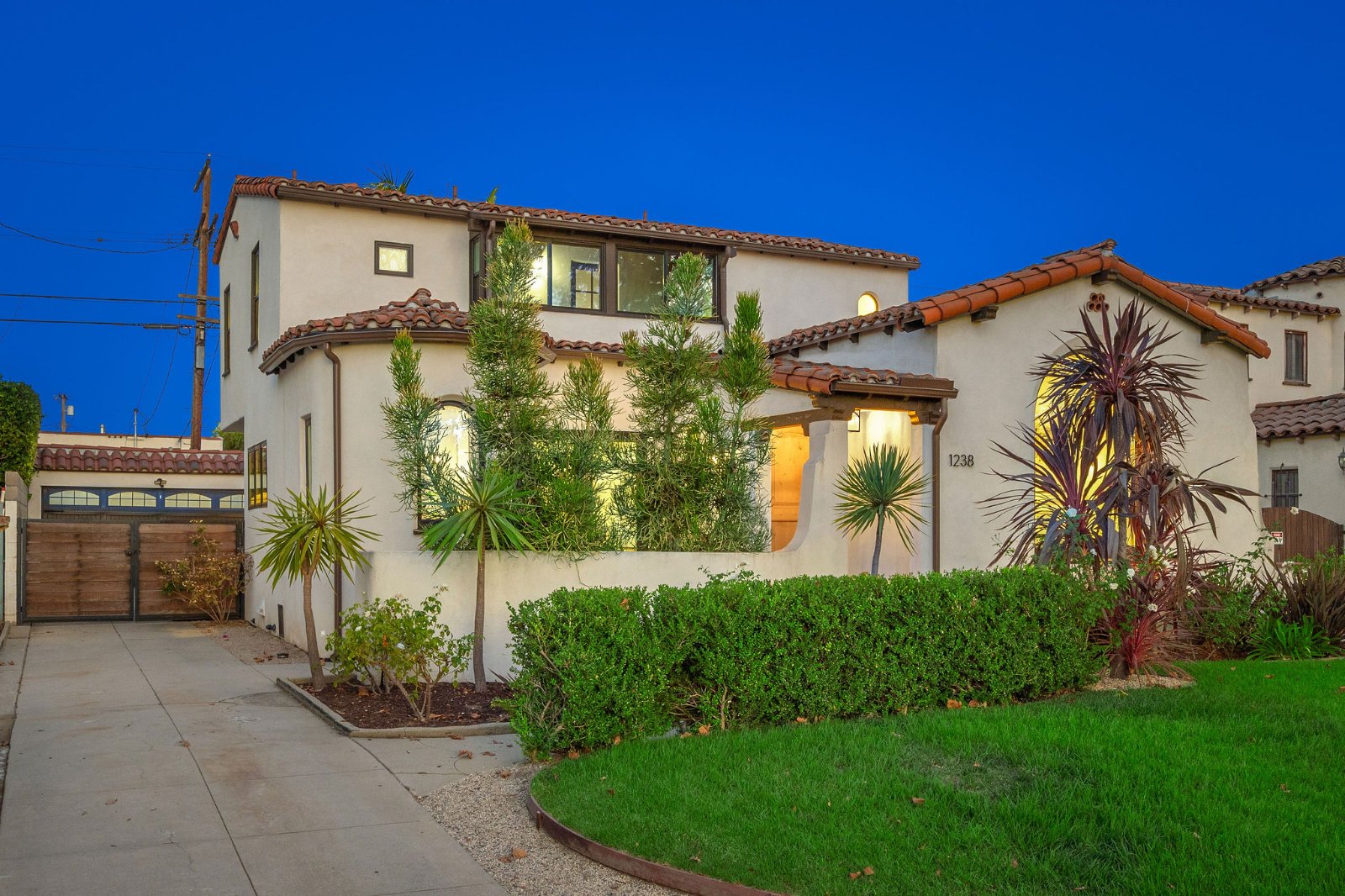
5 Levels of Buyer Access — From Most to Least Convenient
- →Lockbox on the Door — This allows buyers to see your home as soon as they discover the listing or at their convenience. It's the gold standard for maximum exposure.
- →Providing a Key to the Home — This requires a buyer's agent to stop by an office to pick up the key. It's still highly convenient and keeps showings flowing.
- →Open Access with a Phone Call — You allow showings with just a phone call's notice. This offers solid flexibility while giving you a heads-up before someone arrives.
- →By Appointment Only — Your agent schedules showings at specific times with advance notice, giving you time to prepare the house and step out. Less flexible but still workable.
- →Limited Access — Your home is only available on certain days or times. This is the most restrictive option and generally makes it hardest for buyers to visit, which can slow your sale significantly.
Finding the Right Balance for Your Situation
I understand that life doesn't stop just because you're selling your home. Maybe you have kids, pets, or a work-from-home schedule that makes unlimited access unrealistic. That's completely fine — the goal isn't perfection, it's optimization. Even moving from limited access to appointment-only showings can meaningfully increase your buyer pool.
If you're a buyer navigating this evolving market, knowing what to expect during the showing process is equally important. Our [buyer resources guide](/buyers-resources) walks you through what a typical home search looks like in today's Los Angeles market, from first showing to accepted offer.
As today's housing market continues to evolve, work closely with your local agent to find the right access strategy for your property. The sellers I've seen achieve the strongest results are the ones who treat access as a strategic decision — not an afterthought.

Frequently Asked Questions
How does showing access affect how quickly my Los Angeles home sells?+
Homes with more flexible access — such as a lockbox or key availability — tend to receive more showings, which generates more offers and often leads to a faster sale. Restricted access can cause motivated buyers to skip your listing entirely.
What is the best showing strategy for occupied homes in LA?+
For most occupied homes, open access with a phone call or appointment-only showings strike a good balance between convenience for buyers and livability for sellers. Your agent can help manage scheduling so disruptions are minimal.
Should I leave during showings?+
Yes. Buyers need to envision themselves living in the space, and that's much harder to do with the current owner present. Step out, let the home speak for itself, and trust your agent to handle the rest.
Does limited showing access hurt my sale price?+
It can. Fewer showings typically mean fewer offers, and fewer offers reduce competition. In a city like Los Angeles where timing and market momentum matter, limiting access can leave money on the table.
How do probate or trust home showings work differently?+
Probate and trust properties often have unique access considerations — the home may be vacant, require estate cleanout, or involve multiple decision-makers. An experienced agent who specializes in these sales can coordinate showings efficiently while navigating the legal complexities.
Thinking about selling your Los Angeles home? Let's talk about the right showing strategy to maximize your sale. With 33 years of local expertise, I'll help you find the approach that works for your life and your bottom line.
Contact John BarrentineFree Resources from Barrentine Group
Ready to buy or sell in Los Angeles? The Barrentine Group has 33+ years navigating the LA market — from probate and trust sales to historic properties in Miracle Mile, Carthay Circle, and the Wilshire corridor.